Help families in crisis
Connect parents with practical help so children can remain safely at home whenever possible.
We help local churches organize lasting care for children, families, and widows. We also connect them with trusted missionaries and child protection partners at home and abroad.
A parent in crisis may need help with meals or transportation. A foster family may need people who keep showing up after a placement. A widow may need a visit that grows into a friendship. Churches can bring people together to respond and stay involved.
“Learn to do good; Seek justice, Rebuke the oppressor; Defend the fatherless, Plead for the widow.” Isaiah 1:17 (NKJV)
“Pure and undefiled religion before God and the Father is this: to visit orphans and widows in their trouble…”James 1:27 (NKJV)
James calls care for orphans and widows pure religion. If mercy matters more to God than religious display, how much more should the people He loves matter to us?
“I desire mercy and not sacrifice.” Matthew 12:7 (NKJV)
Connect parents with practical help so children can remain safely at home whenever possible.
Help foster, kinship, and adoptive caregivers provide stable homes through practical support and dependable relationships.
Visit widows, listen to their needs, and offer practical help through lasting relationships.
Support trusted missionaries, groups caring for children in orphanages, and qualified organizations that prevent trafficking and help survivors.
Foster care is one part of our mission. Families in crisis, widows, and people serving vulnerable communities also need practical help and lasting relationships. We help churches listen to the people involved and respond in ways they can sustain.
Our work focuses on U.S. churches and communities. Through trusted partners, we also support missionaries, orphanages, and anti-trafficking work around the world. When children live in residential care, we value their safety and family connections. About alternative care ↗
We help church leaders identify a need, organize volunteers, prepare them for the work, and check whether their care is helping.
Listen to families, caregivers, local service providers, and church members to learn what the community needs.
Appoint a church leader, define volunteer roles, and invite the congregation to take part. We help communicate the plan.
Match screening and training to each role. Connect prospective foster and adoptive parents with the approvals their state requires. For churches that want to host training, we can help them work with the responsible agency on state requirements while they teach from their biblical convictions.
Ask families and partners what is working, support volunteers, and adjust the ministry as needs change.
Your church sets the priorities and leads the work. We help you make a plan, prepare volunteers, and find reliable partners for a ministry your congregation can sustain.
Members can serve by opening a home, helping a neighbor, or standing with trusted ministry partners.
Help parents address urgent needs so children can remain safely with their families whenever possible.
Bring meals, supplies, transportation, and approved respite to foster, kinship, and adoptive caregivers.
Welcome a child through foster care, kinship care, or adoption after completing the required approval process. Protect the child’s safety and family connections.
Visit widows, listen to them, and help with practical needs as real relationships grow.
Pray for and support trusted missionaries and organizations caring for children in orphanages.
Partner with qualified anti-trafficking organizations that protect vulnerable people and help survivors rebuild.
Start with the needs and capacity of your congregation. You can grow into more roles over time.
Let’s talk about a responsible starting point for your church.
Talk with LizA church can welcome a child, strengthen a family before separation, or stand beside the people already caring for them.
One church can begin by standing with one child or family.
Each congregation could make one concrete commitment: help a family stay safely together, support a caregiver, or prepare to welcome a child. Roles differ according to local needs and capacity.
The child count is from 2025, while the congregation figure is an estimate from a different period. This comparison does not represent available homes or mean every child needs a new placement. Safe decisions, family reunification when possible, and accountable child welfare services remain essential. Sources: U.S. Children’s Bureau, AFCARS 2025 ↗ and Hartford Institute ↗.
These findings show why children and young adults need support that lasts beyond the first placement.
Among children missing from care who were reported to the National Center for Missing & Exploited Children in 2025, 17% were identified as likely victims of child sex trafficking.
NCMEC, 2025 data ↗In a federal survey of young people with foster care experience, 26% of respondents at age 21 said they had experienced homelessness during the previous two years.
Children’s Bureau, NYTD Data Brief 8 ↗In the same federal survey, 17% of respondents at age 21 said they had been incarcerated during the previous two years for an alleged crime. This result describes the young adults surveyed, not all former foster youth.
Children’s Bureau, NYTD Data Brief 8 ↗Each percentage describes the group and period named above. None is a national rate for all children in foster care, and the data do not show that foster care caused these outcomes.
Some states hire private organizations to place children and manage foster care cases. According to the U.S. Government Accountability Office, those organizations may be nonprofit or for-profit, and some are paid based on placements. In Texas, regional contractors handle placement and case management. Funding needs oversight that puts children’s well-being first.
Liz and I married in 1999. We met during my first pastorate, when she was a college intern in youth ministry. We began ministering together before our wedding and have included our children in that work as our family has grown.
We did not plan to build a ministry around foster care and adoption. In 2009, Liz felt during prayer that the Lord was leading us to adopt Cloe, a little girl we barely knew. We had no idea her grandparents were considering adoption. Later, they came to us for counsel about Cloe’s future. Only then did Liz tell me what she had sensed in prayer. Cloe joined our family that May, and we finalized her adoption in April 2010.
In 2011, we felt called to pursue adoption through foster care. We completed a home study and became licensed foster parents in San Diego County, then received certification again after moving to Salem. On September 23, 2013, we welcomed three brothers into our home: twins and their baby brother. In 2015, three nieces and a nephew needed a safe place to live, so we opened our home again. We later became legal guardians to two of our nieces. Those relatives are now adults living on their own.
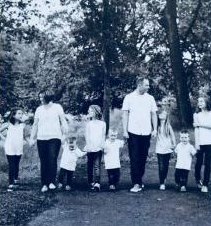
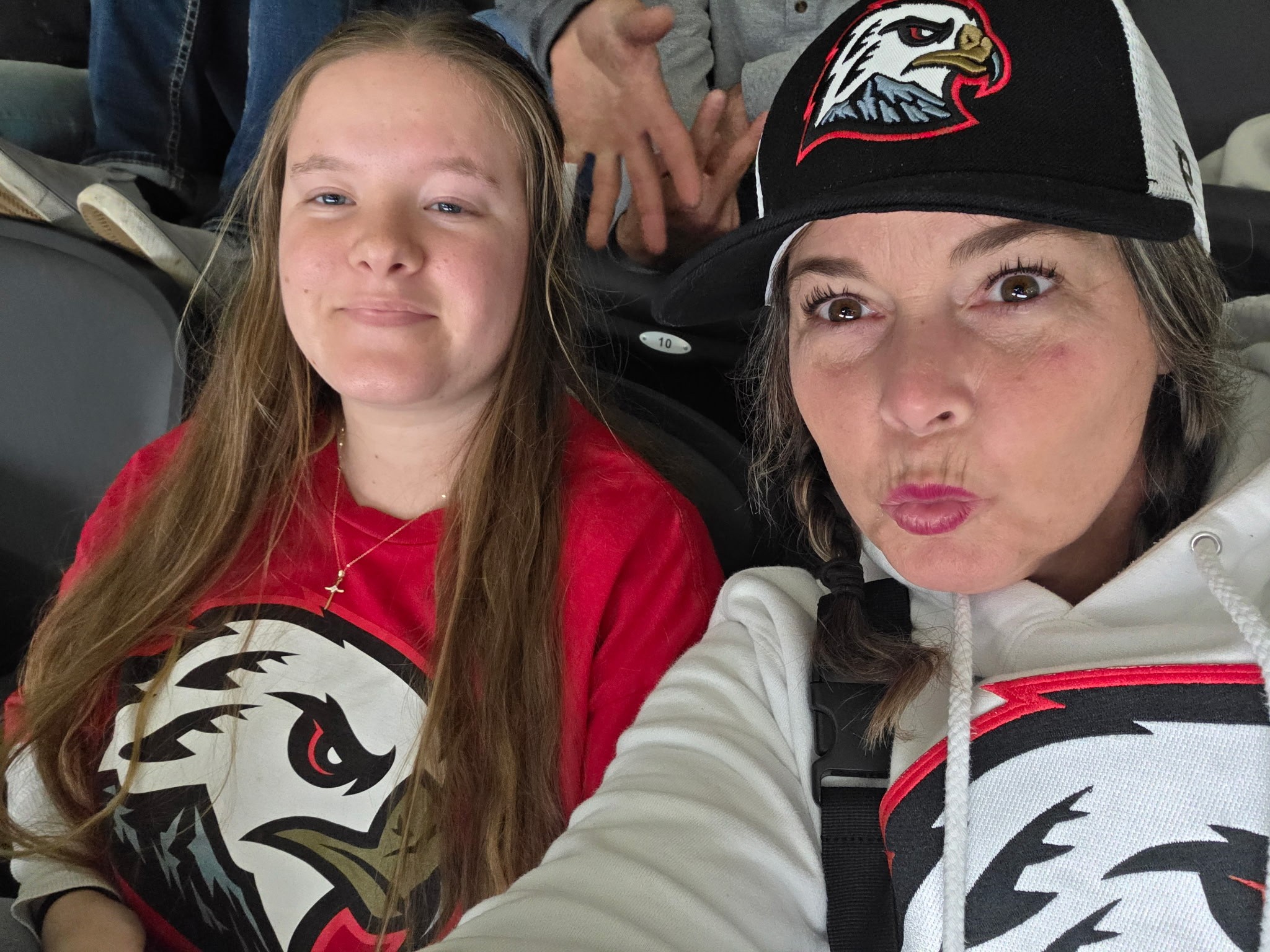
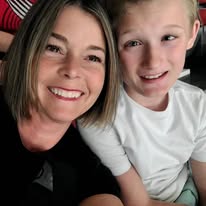
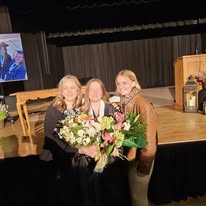
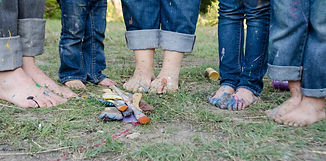
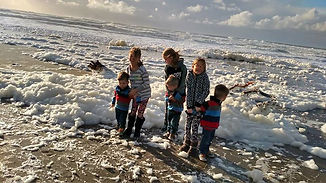
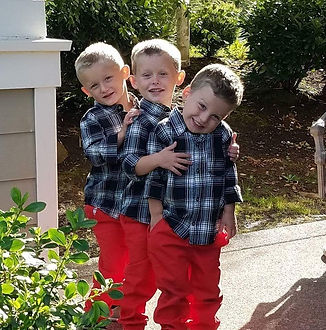
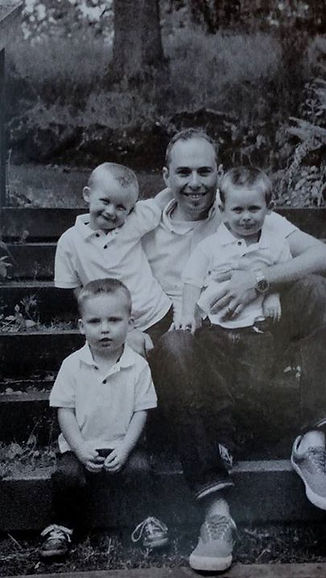
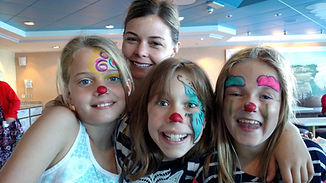
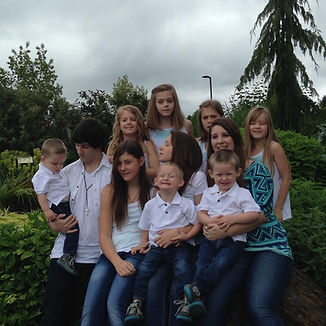
Liz has poured years of ministry into raising our children. We want them to know God’s Word, love Him wholeheartedly, and serve others. Our family has changed a great deal since we first shared this story. Here is a glimpse of our children today:
When a family welcomes a child, they need their church to keep showing up.
Our family’s experience widened our calling. Today, we help churches build steady support for children, families, widows, and trusted ministry partners.
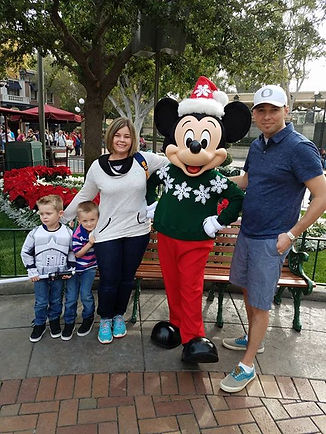
A few family moments from different seasons of our story.






Showing photos 1 to 3 of 20
Vesely International supports Fostering Compassion through its work with business owners and its commitment to fund ministry.

Fostering Compassion is a nonprofit. Begin with the kind of commitment you can sustain.
Help fund practical care and trusted ministry partners. Ask us about current needs and how your gift would be used.
Bring meals, give rides, mentor, visit a widow, or support a caregiver. Some roles require screening or training.
Lead a ministry that fits your church and local needs. We help you form the team, train for each role, and connect with appropriate partners.
Use this form to tell Liz whether you want to give, serve, open your home, or explore a Fostering Compassion ministry with your church.
If you are writing on behalf of a church, include its location and the community you hope to serve.